
Professional Leaf and Debris Removal for Orangevale Pools
In Orangevale, mature oak and sycamore trees drop heavy debris into backyard pools year-round. This page covers professional leaf removal, fine sediment extraction, and debris cleanup for residential pools. We offer same-week scheduling with equipment-ready crews who clean from surface to floor. Homeowners across Orangevale count on our technicians to restore water clarity faster than DIY skimming and vacuuming alone.
What is leaf and debris removal in Orangevale?
Leaf and debris removal is a pool cleaning service that extracts floating leaves, sunken organic matter, and fine sediment from residential pools. In Orangevale, this service addresses heavy fall leaf drop from mature trees and year-round dust blown in from surrounding open land.
Surface skimming clears floating leaves and insects before they sink
Bottom vacuuming extracts silt, dirt, and decomposed debris from the pool floor
Filter inspection ensures circulation returns to normal after cleanup
Professional debris removal restores water clarity and prevents tannin staining caused by decomposing leaves sitting on pool surfaces.
Leaves and Sediment Build Up Fast in Orangevale Pools
Wind pushes leaves, dust, and fine particles into uncovered pools within hours. What starts as a few floating leaves becomes a thick layer of debris on your pool floor. Once that organic material settles, it breaks down and releases tannins into the water.
Mature trees in Twin Oaks and Casa Grande neighborhoods shed heavily from late summer through winter. That extended leaf drop gives debris more time to pile up between cleanings. If you notice murky water or brown patches forming after a windy day, the buildup has already started.
Acting early helps you avoid staining on pool plaster and tile. Decomposed leaves left sitting on surfaces can leave marks that require acid washing to remove. Clearing debris before it breaks down saves you time, money, and frustration.

DIY Skimming Misses Fine Debris That Sinks Overnight
You grab the net every morning and skim the surface clean. By the next day, brown particles are sitting on the pool floor again. Standard skimmer nets catch floating leaves, but fine debris slips right through the mesh.
Sacramento Valley wind carries dust and pollen into uncovered pools throughout the day. That fine material mixes with leaf tannins and settles overnight while your pool sits still. By morning, a thin layer of sludge coats the bottom.
Surface skimming only removes what floats. Once particles absorb water, they sink below the reach of handheld nets. The debris you see on the floor was already in your pool when you skimmed the day before. Removing it requires vacuuming with equipment designed to capture fine sediment at the bottom.
Professional Equipment Removes What Nets and Shop Vacs Cannot
Store-bought pool vacuums and household shop vacs struggle with heavy debris loads. The suction power falls short, and the filters clog quickly. You end up pushing leaves around instead of removing them.
Commercial-grade pool vacuums generate stronger suction and use larger collection bags. Leaf traps attach to professional equipment to catch bulk debris before it reaches the filter. These tools extract heavy material without scratching or damaging your pool liner.
Orangevale pools near the Hazel Avenue corridor often collect road grit blown in from traffic. That fine, heavy sediment requires more power than DIY gear provides. Our equipment pulls it off the floor in one pass, leaving your pool bottom clean and your filter clear.
Technicians Clear Surface Debris, Bottom Silt, and Filter Clogs in One Visit
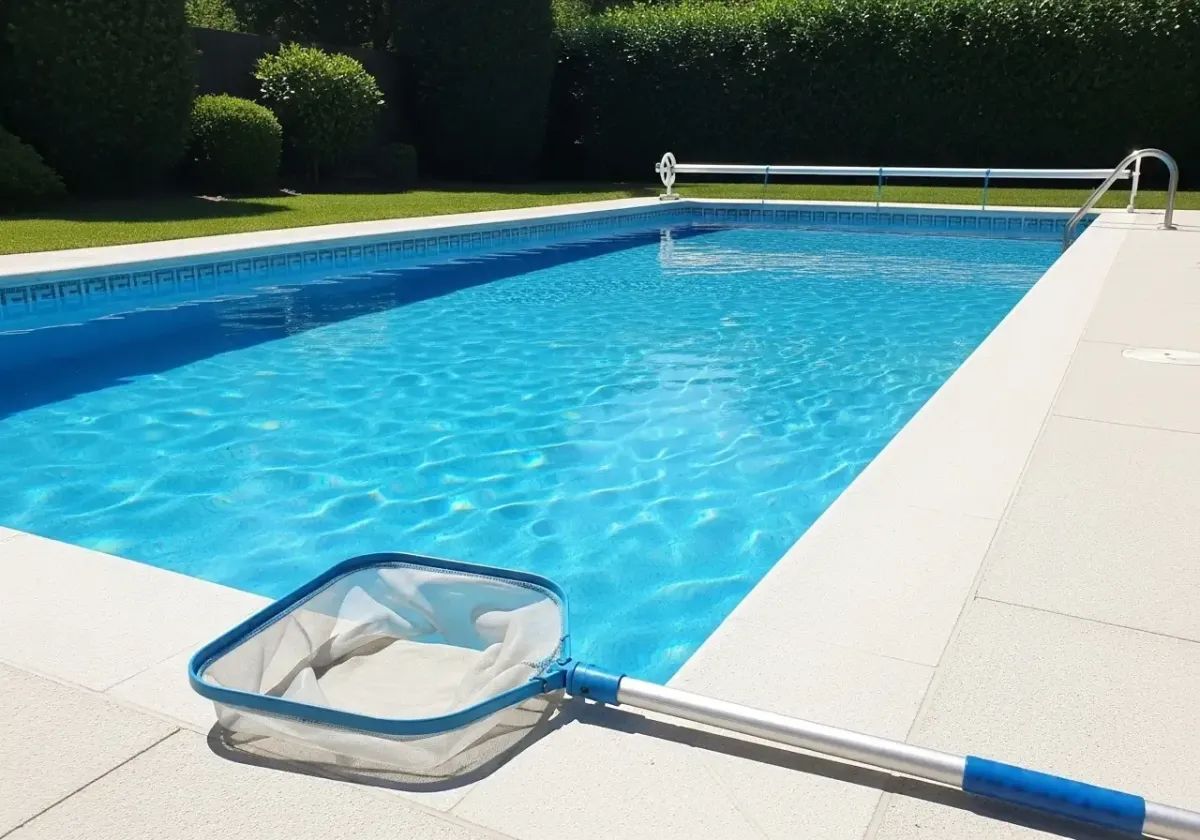
Scheduling multiple appointments to clean your pool takes time you do not have. Busy Orangevale families need a service that handles everything at once. Our technicians arrive ready to skim, vacuum, and clear your filter baskets in a single visit.
We start by removing floating leaves and insects from the surface. Then we vacuum the floor to extract settled silt and decomposed debris. Before we leave, we check your skimmer baskets and pump strainer to restore proper water flow.
Post-storm cleanups in Orangevale peak after fall rain events. Overflowing gutters push leaves and dirt directly into pool areas. One thorough visit gets your pool back to swim-ready condition without dragging the process across multiple days.
Clean Water Looks Different From Algae-Stained Water
Brown discoloration on your pool floor does not always mean you have a dirt problem. Sometimes that residue is dead algae left behind after a chlorine shock treatment. Other times, active algae growth is just getting started. Knowing the difference matters.
Warm Orangevale summers speed up algae growth in pools with inconsistent chemical balance. After you shock the water, dead algae cells sink and settle as brown or gray residue. Adding more chemicals will not remove it. That material needs to be vacuumed out.
Our technicians identify residue type on-site during each visit. We check whether the discoloration is dirt, tannin staining, dead algae, or live growth. That assessment guides the correct treatment path so you do not waste money on chemicals you do not need.
Seasonal Cleanouts Prevent Brown Buildup Between Services
Waiting until your pool looks bad costs more than staying ahead of debris. Scheduled cleanouts before peak leaf-drop season keep your filters clear and your water balanced. Fewer emergency calls means less stress and lower service costs over time.
Orangevale's dry fall season creates a unique problem for pool owners. Without rain to wash leaves off trees quickly, debris falls slowly over several weeks. Leaves sit on the surface longer, giving them more time to sink, decompose, and release tannins that stain pool plaster.
Planning a cleanout in late September or early October removes the first wave of fallen leaves before breakdown begins. A second visit in November catches what the trees drop later. This two-visit approach keeps your pool looking clear through the heaviest debris months of the year.
Frequently Asked Questions
How often should Orangevale pool owners schedule leaf removal?
Orangevale pool owners should schedule leaf removal monthly for most properties. Homes near mature oak trees may need biweekly visits during fall when debris drops fastest. Pools with fewer surrounding trees can go longer between cleanouts. We assess your yard and recommend a schedule that keeps water clear without extra visits.
Can technicians remove large leaf piles without draining the pool?
Technicians can remove large leaf piles without draining your pool. Commercial leaf rakes and vacuum systems extract heavy debris while the water stays in place. Keeping your pool filled protects plaster from sun damage and saves refill costs. Only extreme situations like deep silt deposits require a full drain.
What causes brown residue on pool floors in Orangevale?
Brown residue on Orangevale pool floors typically comes from decomposed leaves releasing tannins into the water. Fine clay dust blown in from open land also settles as brown sediment. Dead algae after chlorine shock treatment leaves similar discoloration. Our technicians identify the source on-site and recommend the right removal approach.
How do professionals remove fine silt that DIY vacuums miss?
Professionals remove fine silt using high-suction pool vacuums with fine-mesh collection bags. These commercial units generate stronger airflow than store-bought equipment and maintain suction even with heavy debris. The fine-mesh bags trap particles that pass through standard filters, pulling sediment off the floor in one pass.
Is leaf and debris removal included with regular pool cleaning service?
Light leaf and debris removal is included with most weekly pool cleaning visits. This covers surface skimming and basket clearing. Heavy debris loads from storms or seasonal leaf drop may require a dedicated cleanout appointment. We schedule those separately so your regular service stays on track.
How quickly can a technician clear a debris-filled pool in Orangevale?
A technician can clear a debris-filled Orangevale pool in one to two hours for most residential properties. Lighter buildup finishes faster, while pools with heavy leaf piles or thick bottom silt take longer. We provide a time estimate before starting so you know what to expect.
TIRED OF A DIRTY POOL?
Clear the Leaves Before They Stain Your Pool
Floating debris sinks fast and releases tannins that discolor plaster and tile. We remove leaves, silt, and sediment in one visit. Same-week appointments available. Call today and get your pool swim-ready again.
WELCOME TO CAPITAL CLEAR POOL SERVICE
Reliable Pool Care. Done Right.