Professional Pool Chemical Treatment in Folsom, CA
In Folsom, hot summers and hard water make chemical balance a year-round challenge for pool owners. This page covers professional pool chemical treatment for residential and commercial pools. Services include balancing, sanitizing, and seasonal adjustments. We offer weekly, biweekly, or as-needed scheduling to fit your routine. Our team provides expert care from a trusted pool cleaning service that keeps Folsom pools safe and swim-ready.
What Is the Correct Order to Add Pool Chemicals in Folsom, CA?
Follow these steps to add pool chemicals in the correct order:
Test current water chemistry levels.
Adjust total alkalinity first to reach 80-120 ppm.
Balance pH second to stay within the 7.2-7.6 range.
Add calcium hardite if needed for Folsom hard water.
Apply sanitizer such as chlorine or an alternative.
Add shock treatment during evening hours.
Run your pump for 8 hours to circulate chemicals evenly.
This order prevents wasted products, protects pool surfaces, and accounts for Folsom's high mineral content.
Proper Chemical Order Protects Your Pool Equipment
Adding pool chemicals in the wrong order causes real damage. Scale builds up inside pipes, heaters, and pump components. Over time, this shortens equipment life and leads to expensive repairs.
Folsom's calcium-rich tap water makes proper sequencing even more important. When chemicals go in out of order, cloudy water and surface staining follow. Tile lines show white buildup. Plaster becomes rough and discolored.
We follow a tested process that protects your investment. Alkalinity gets adjusted first. Then pH. Then calcium hardness. This order prevents wasted chemicals and keeps your equipment running longer. Your pool stays clear without the hidden damage that catches many Folsom homeowners off guard.
Weekly Testing Keeps Folsom Pools Safe All Season
Families in Folsom swim often during long summer months. Kids jump in after school. Weekend barbecues end with everyone in the pool. That heavy use changes water chemistry fast.
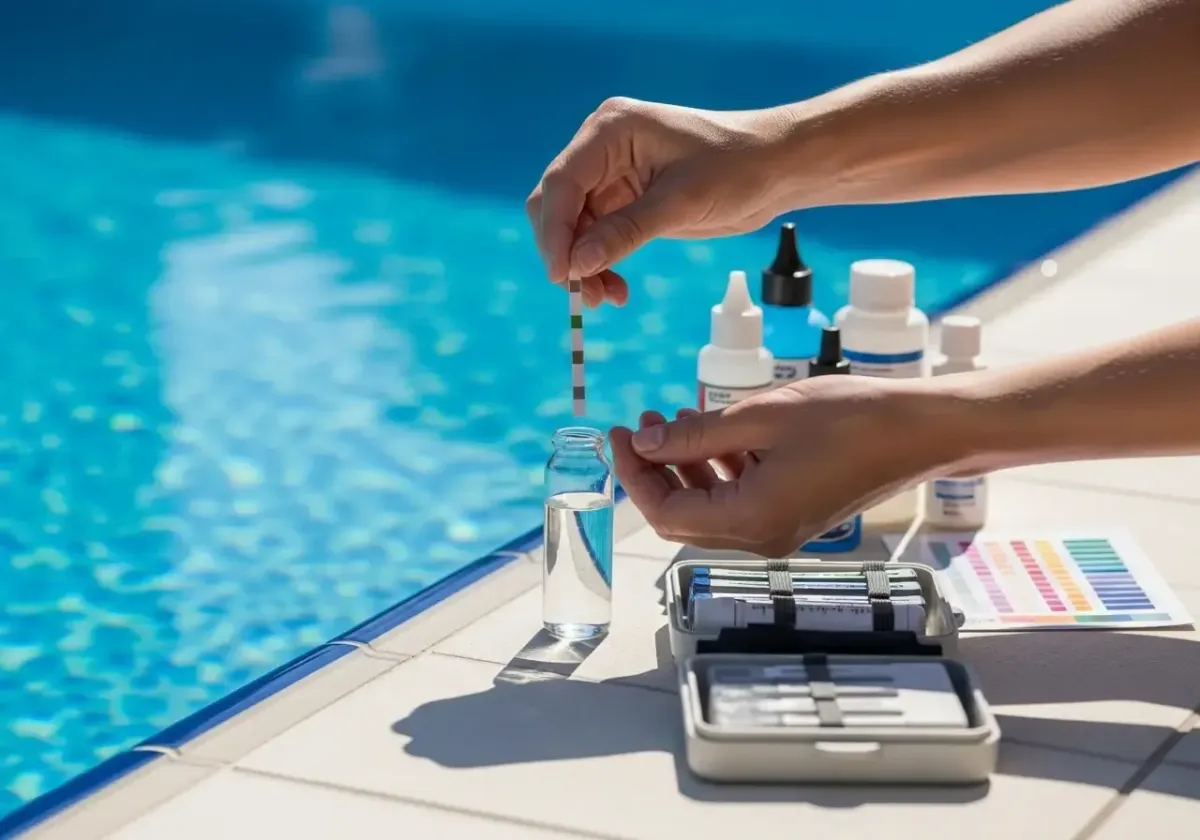
Weekly testing catches imbalances before they cause problems. Low sanitizer levels lead to skin irritation and red eyes. High pH makes chlorine less effective. Small shifts go unnoticed until someone gets a rash or the water turns hazy.
Pools near Folsom Lake and in Empire Ranch neighborhoods see higher debris levels. Leaves, pollen, and dust blow in regularly. These pools need more frequent checks to stay safe. We test every visit and adjust chemicals on the spot so your pool stays ready for the next swim.
Hard Water in Folsom Requires Adjusted Chemical Levels
Many Folsom pool owners deal with recurring calcium deposits and scaling. White buildup appears on tile lines. Waterline stains resist scrubbing. Equipment clogs faster than expected.
The cause is local water hardness. City of Folsom water averages 150-300 ppm calcium. That range sits above the ideal level for pools. Without proactive management, calcium accumulates on surfaces and inside pipes.
Standard chemical plans designed for softer water do not work here. Folsom pools need custom treatment that accounts for this mineral content. We adjust dosing schedules and product choices based on your specific water source. This approach prevents scaling before it starts and keeps your pool surfaces smooth and clean.
Shock Treatment Clears Cloudy Water Fast
Pool parties, summer storms, and extended heat waves leave water looking murky. Chlorine gets used up faster than normal. Bacteria and organic matter build up. The result is cloudy water that does not clear on its own.
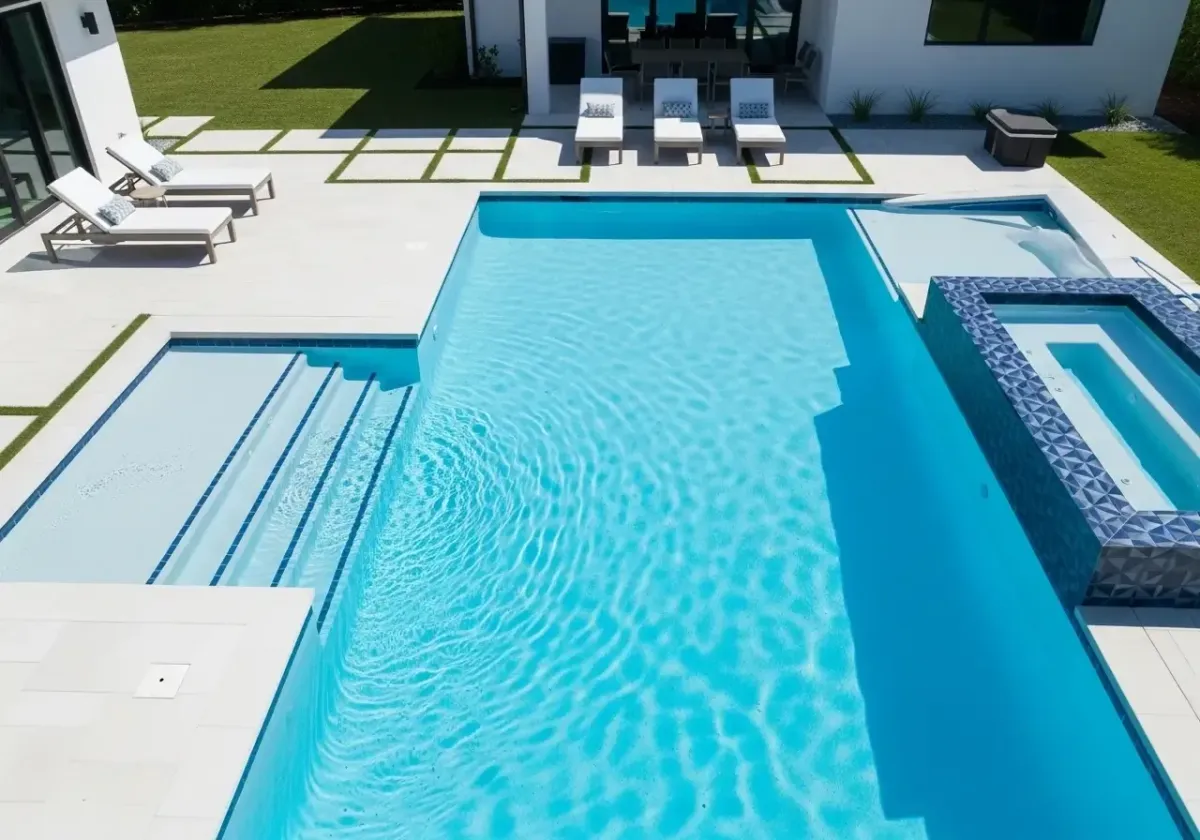
Professional shock treatment restores clarity within 24-48 hours. We use the right product and dosage for your pool size. The process eliminates contaminants and resets sanitizer levels so your water looks clean again.
Pools in Broadstone and Briggs Ranch often need post-storm shock treatment. Oak pollen and leaf debris settle into the water after wind and rain. These neighborhoods see heavier organic loads that overwhelm normal chlorine levels. A timely shock treatment gets your pool back to clear before the next swim day.
Seasonal Chemical Adjustments Prevent Algae Buildup
Green water ruins swim plans fast. Algae takes over in days when conditions are right. Once it starts, cleanup costs more and takes longer than prevention.
Proactive seasonal plans stop algae before it starts. We adjust chlorine levels and add algaecide at the right times based on weather patterns. Your pool stays clear without emergency treatments or missed swim days.
Sacramento Valley heat accelerates algae growth from May through October. Warm water and long sunny days create perfect conditions for blooms. Folsom pools need increased sanitizer schedules during these months. We track the calendar and adjust your treatment plan so algae never gets a foothold. Prevention costs less and keeps your pool ready all season.
Professional Balancing Solves Stubborn pH Problems
Some Folsom homeowners test and adjust pH regularly but still cannot keep it stable. Levels drift high within days of treatment. Chemicals get used up fast with little lasting result. The frustration builds when DIY efforts fail to fix the problem.
Expert diagnosis identifies root causes that test strips miss. Alkalinity drift throws off pH readings. Aeration from fountains and waterfalls pushes pH upward. Without addressing the source, adjustments only provide temporary fixes.
Homes in Lexington Hills with water features often experience faster pH rise. Fountain aeration introduces carbon dioxide changes that shift chemistry daily. We evaluate your full system and create a plan that targets the actual problem. Stable pH means fewer chemicals, less guesswork, and water that stays balanced between visits.
Frequently Asked Questions
How often should I add chemicals to my pool in Folsom?
How often you should add chemicals to your pool in Folsom depends on usage and weather. Most pools need chlorine added twice per week during summer. Testing should happen weekly at minimum. Hot Folsom summers and heavy swim schedules may require more frequent treatment. A professional service can establish the right schedule for your specific pool.
Can I add pool chemicals without the pump running?
Whether you can add pool chemicals without the pump running is a common question. The short answer is no. Chemicals need circulation to mix evenly throughout the water. Adding chemicals to still water causes concentrated spots that damage surfaces and create unsafe swimming conditions. Always run your pump for at least 8 hours after treatment.
What chemicals should I balance first in my Folsom pool?
What chemicals you should balance first in your Folsom pool starts with total alkalinity. Alkalinity acts as a buffer that stabilizes pH levels. Once alkalinity reaches 80-120 ppm, adjust pH next. Folsom's hard water means calcium hardness comes third. This order prevents wasted chemicals and protects your pool surfaces from etching or scaling.
How do I know if my pool needs more chlorine?
How to know if your pool needs more chlorine involves watching for specific signs. Cloudy water, green tint, or strong chemical smell indicate low sanitizer levels. A test kit confirms levels below 1 ppm. Folsom pools lose chlorine faster during hot weather. Professional testing provides accurate readings and proper dosing recommendations for your pool size.
What time of day should I add chemicals to my pool?
What time of day you should add chemicals to your pool matters for effectiveness. Evening hours work best. Sunlight breaks down chlorine quickly, reducing its sanitizing power. Adding chemicals after sunset gives them 8-10 hours to work before UV exposure. Folsom's intense summer sun makes evening application especially important for maintaining proper levels.
Do I need to shock my pool during Folsom winters?
Whether you need to shock your pool during Folsom winters depends on your maintenance routine. Yes, monthly shock treatments help even in cooler months. Winter debris, rain runoff, and reduced circulation allow bacteria and algae to develop. Folsom's mild winters mean pools stay active longer than colder regions. Consistent shocking prevents spring opening problems.
WATER CHEMISTRY OFF BALANCE?
Your Pool May Need Professional Chemical Treatment
Unbalanced water causes cloudy conditions, algae growth, and equipment damage. We test your levels, adjust chemicals in the correct order, and restore safe, clear water. Same-week service available for Folsom pool owners.
WELCOME TO CAPITAL CLEAR POOL SERVICE
Reliable Pool Care. Done Right.