
Professional Pool Circulation Check in Orangevale, CA
In Orangevale, summer heat pushes pools hard from May through October. A pool circulation check confirms your pump, skimmers, return jets, and pipes move water the way they should. We offer same-week inspections for residential pools across the area. Our trained technicians find flow problems before they damage equipment or turn your water cloudy and green. As part of our pool care services in Orangevale, circulation checks help keep your system running right all season.
What is a pool circulation check in Orangevale?
A pool circulation check is an inspection of pumps, skimmers, return jets, and pipes to confirm water moves through the system at the correct rate. Technicians test each part to find blockages, leaks, or equipment problems that slow water flow.
A circulation check includes:
Pump and motor operation review
Skimmer suction and return jet flow test
Filter pressure and pipe blockage assessment
Orangevale pools face extra strain from Sacramento Valley heat and oak debris. Regular circulation checks catch problems before they damage equipment or turn water cloudy.
Warning Signs Your Pool Has a Circulation Problem
Your pool may look fine at first glance. But certain signs point to water that is not moving the way it should. Catching these problems early prevents pump damage and expensive repairs down the road.
Cloudy or green water that chemicals cannot clear is one of the first signs. You may also notice weak flow from return jets along the pool walls. If your skimmer basket fills slowly or stays empty, water is not pulling through the system correctly. Sometimes the pump runs but the water stays still. Algae that returns within days of treatment is another red flag. Surface debris that collects instead of moving toward the skimmer means flow has slowed or stopped.
Hot Orangevale summers speed up algae growth when circulation fails. Pools near Casa Roble and Oak Avenue often deal with heavy debris loads from mature trees. If leaves and dirt sit on the surface instead of drifting toward the skimmer, your system needs attention.
Parts That Make Up a Pool Circulation System
Understanding how your pool moves water helps you spot problems earlier. When you know what each part does, you can describe issues to a technician more clearly.
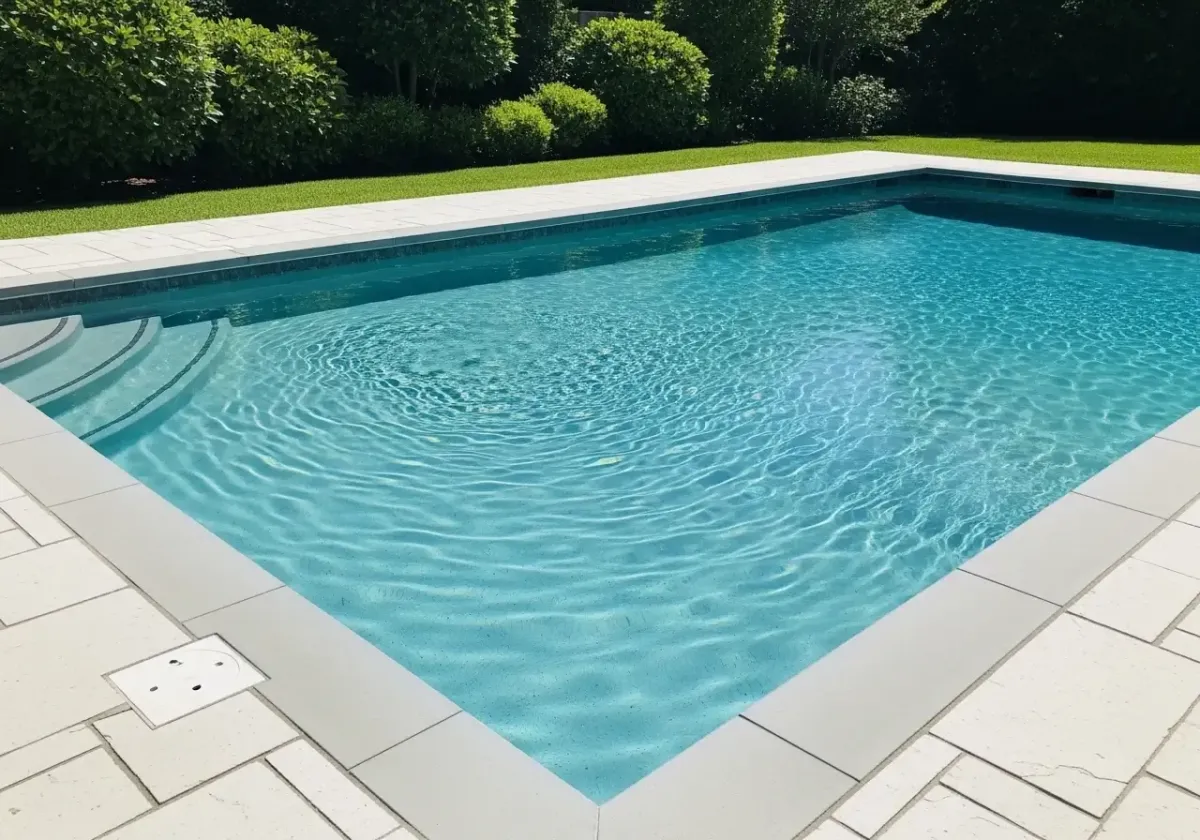
The skimmer draws surface water and debris into the system. The main drain pulls water from the pool floor. Your pump creates the suction that moves water through the pipes. The filter traps dirt and particles before water returns to the pool. Return jets push clean water back into the pool and create movement. Pipes and valves connect all the parts and control which direction water flows.
Many Orangevale homes were built in the 1980s and 1990s. These pools often have older single-speed pumps that lose efficiency over time. During a circulation check, we inspect each part to make sure water moves through the entire system the way it should.
Common Causes of Poor Water Flow in Pools
When your pump runs but water barely moves, something is blocking the system. Knowing what causes flow problems helps you request the right service.
A clogged pump impeller is one of the most common issues. Leaves, hair, and small debris wrap around the impeller and slow it down. Dirty or damaged filter media also restricts flow and makes the pump work harder. An air leak in the suction line reduces pump prime and weakens circulation. Blocked skimmer baskets or main drain covers stop water from entering the system. A faulty multiport valve stuck between positions sends water the wrong direction. Some pools have pumps that are too small for the water volume they need to move.
Oak pollen and leaf litter near Greenback Lane clog baskets and impellers faster than in other parts of Orangevale. Pools surrounded by mature trees need more frequent checks to keep water flowing.

How Technicians Restore Proper Pool Circulation
Trained technicians fix flow problems faster and prevent the same issue from coming back. We follow a step-by-step process to find exactly where circulation has failed.
We start by inspecting the pump basket, impeller, and motor for obstructions. Next, we test filter pressure before and after cleaning to measure how well water passes through. We check the skimmer weir door and main drain cover for cracks or damage. Return jets get examined for proper aim and flow strength. If your system has a multiport valve, we assess its operation and gasket condition. Finally, we confirm that water turns over at the correct rate for your pool size.
Orangevale's hard water leaves mineral buildup inside pipes over time. During inspections, we check for scale that narrows pipes and restricts flow. Catching buildup early keeps your system running at full strength.
How Often Pool Water Should Fully Turn Over
Turnover rate measures how long it takes for all your pool water to pass through the filter. The correct rate keeps water clear and helps chemicals work the way they should.
The standard goal is one full turnover every 8 to 12 hours. You can calculate turnover by dividing your pool volume by the pump flow rate. Hot weather and frequent swimming increase how often water needs to cycle through the system. Variable-speed pumps let you run longer cycles at lower speeds, which saves energy while keeping water moving.
During peak summer in Orangevale, pools may need two full turnovers daily. Heat and heavy use put extra demand on the system. Twin Oaks area homes with south-facing pools often run pumps longer to keep up. We adjust pump schedules based on pool size, sun exposure, and how often your family swims.
When Water Loss Points to a Circulation Issue
Dropping water levels worry pool owners. Sometimes the cause is simple evaporation. Other times, the loss signals a problem with your circulation system.
Orangevale's dry summer air causes up to half an inch of evaporation per day. That amount is normal in hot, dry weather. Losses beyond one inch daily or sudden drops overnight point to something else. When water falls below the skimmer opening, the pump loses prime. A pump that runs dry can overheat or burn out.
Suction-side leaks pull air into the system instead of water. Pressure-side leaks push water out into the ground where you cannot see it. Both types affect how well your pool circulates and can cause equipment damage over time.
A circulation check includes a visual inspection of pump seals and pipe joints. We look for wet spots, drips, and air bubbles that indicate hidden leaks. Ruling out equipment problems first saves you from expensive repairs later.
Frequently Asked Questions
How do I know if my pool in Orangevale needs a circulation check?
You know your pool in Orangevale needs a circulation check when you see cloudy water, weak return jets, or algae that returns quickly after treatment. These signs mean water is not moving through the system correctly. Debris sitting on the surface instead of drifting toward the skimmer is another clear sign of poor flow.
How long should my pool pump run each day in Orangevale's summer heat?
Your pool pump should run 8 to 12 hours each day during Orangevale's summer heat. High temperatures and heavy use may require longer cycles to keep water clear. We can help you find the right pump schedule based on your pool size, sun exposure, and how often your family swims.
Can a clogged impeller stop my pool from circulating?
A clogged impeller can stop your pool from circulating completely. Leaves, hair, and small debris wrap around the impeller and reduce suction. When blockage is severe, water flow stops entirely. Cleaning the impeller restores normal pump function and gets water moving through the system again.
Why is my pool losing water even though I do not see a leak?
Your pool may be losing water even though you do not see a leak because of evaporation. Hot, dry Orangevale weather causes up to half an inch of loss daily. Losses beyond that amount may signal a hidden plumbing issue. A circulation check helps identify leaks in pump seals or pipe joints.
What happens if my pool water drops below the skimmer?
When your pool water drops below the skimmer, the pump loses prime and runs dry. A dry pump can overheat or burn out in a short time. Keeping water at the right level protects your equipment from damage. Check your water level weekly during hot Orangevale summers when evaporation is highest.
How often should Orangevale pool owners schedule a circulation check?
Orangevale pool owners should schedule a circulation check at least once per season. You should also book a check right away when flow problems appear. Pools with heavy tree cover or older equipment may need more frequent inspections to catch issues before they cause damage.
NOTICE WEAK WATER FLOW?
Your Pool Pump May Be Working Harder Than It Should
Poor circulation strains equipment and turns water cloudy fast. We check pumps, filters, and return jets to find problems early. Same-week inspections available. Call today and keep your pool running right.
WELCOME TO CAPITAL CLEAR POOL SERVICE
Reliable Pool Care. Done Right.